2026 COMET Leducq Early Investigator Award Recipients
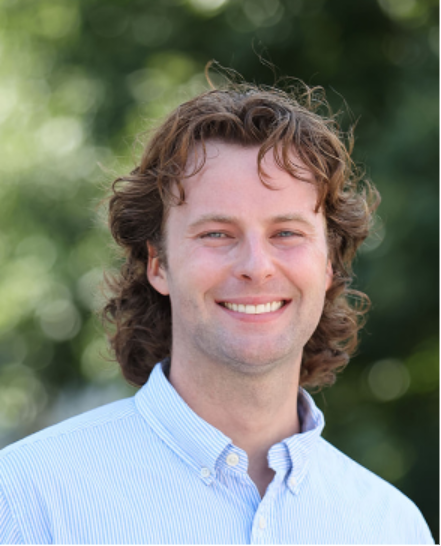
Patrick Hart (MD PhD candidate): Characterization of the Molecular Drivers of Calcification in Diabetic-Atherosclerosis
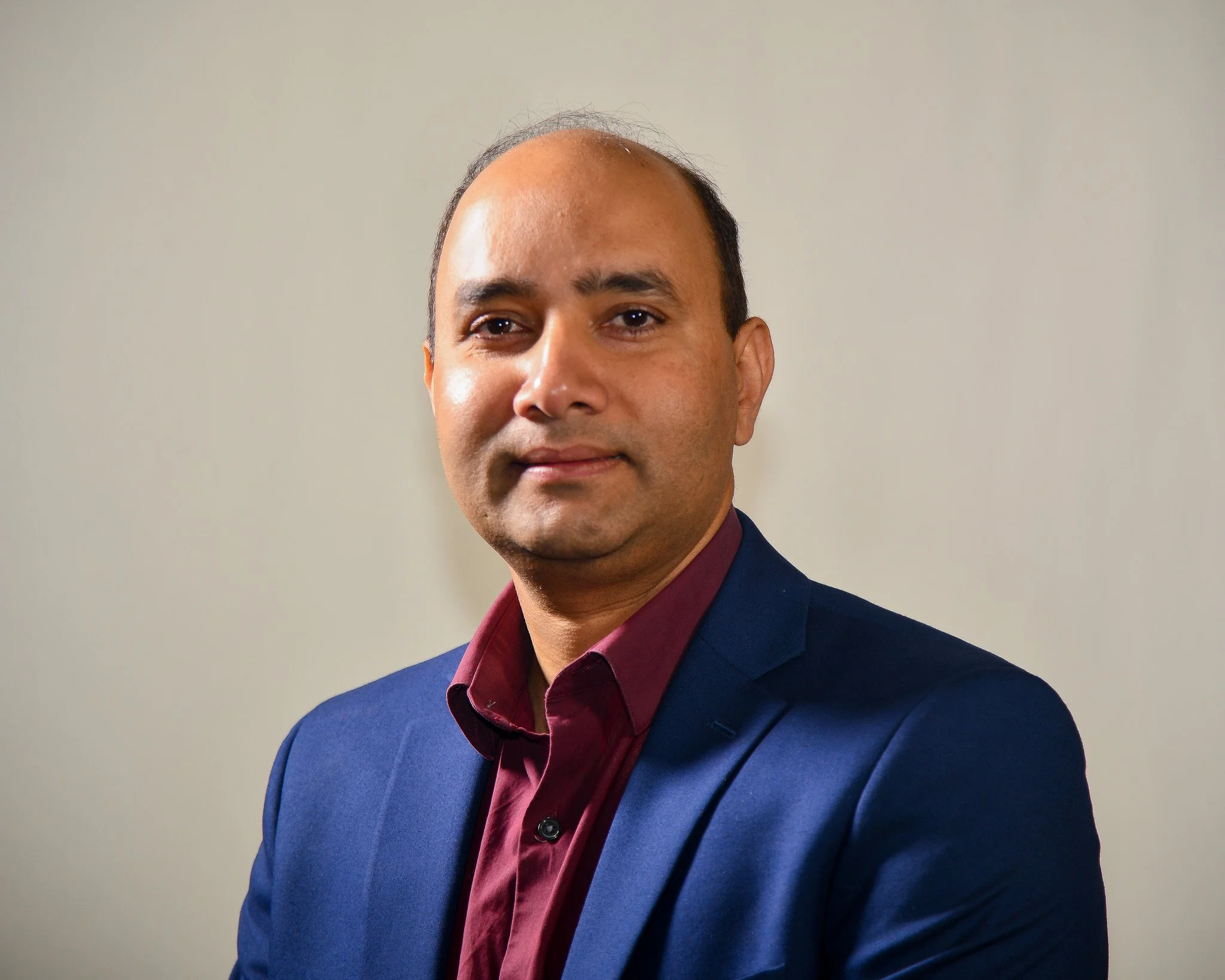
Dr. Kuldeep Singh
Instructor at Massachusetts General Hospital and Haravrd Medical School, Boston
Patrick is a graduate student from central Virginia in the University of Virginia's Medical Scientist Training Program. Patrick joined Clint Miller's lab in the Department of Genome Sciences in March and completed his undergraduate education in Chemistry and Spanish at UVA as well in 2021. Patrick has clinical interests in internal medicine or pathology and hopes to apply multi-omic techniques to study cardiovascular disease. His project is studying the contribution of diabetes to atherosclerosis using snATAC-seq and he is both interested in computational and wet lab approaches for investigating cardiovascular traits.
Research Proposal Summary:
The pilot proposal will seek to characterize the epigenetic profile of coronary arteries derived from patients with atherosclerosis and diabetes. The proposal will integrate snATAC-seq data collected on coronary arteries with T2D/ CAD and CAD into a multi-study snATAC-seq atlas of atherosclerosis affected tissue. Candidate effectors of diabetic-atherosclerosis and vascular calcification will be perturbed in vascular smooth muscle lines under osteogenic conditions (+/- hyperglycemic conditions) and will be characterized using calcification reporter, DNA damage, and ER stress assays in addition to bulk transcriptomics. In addition, secretome profiling of VSMCs under osteogenic conditions will be generated to investigate the contribution of secreted proteins to vascular calcification. This work will be completed in collaboration with Dr. Catherine Shanahan's group at King's College London.
Dr. Chengyun Tang is a postdoctoral fellow in the Department of Pathology and Laboratory Medicine at Oregon Health & Science University. Her research focuses on the intersection of vascular biology and neuropathology, aiming to understand how vascular calcification and other vascular changes contribute to brain aging and dementia. She is particularly interested in advancing digital pathology and using AI tools to empower research and diagnostic pathology.
Research Proposal Summary:
Dementia in the oldest-old population (>80 years) continues to rise even as classical Alzheimer’s pathology plateaus, suggesting the contributions of additional age-related pathology to cognitive decline. Among these, vascular calcification represents a frequently observed but understudied feature of the aging brain. To uncover structural remodeling within small cerebral vessels in the aging brain, this project applies AI-based deep learning, together with single-cell and spatial transcriptomics, to systematically characterize the distribution and molecular correlations of vascular calcification in the dementia brains. By examining how vascular calcification coexists with and relates to broader neurovascular alterations and dementia, this work aims to elucidate the impact of vascular calcification in late-life dementia and generate a framework for future mechanistic investigation that may lead to novel strategies for disease prevention and therapy.
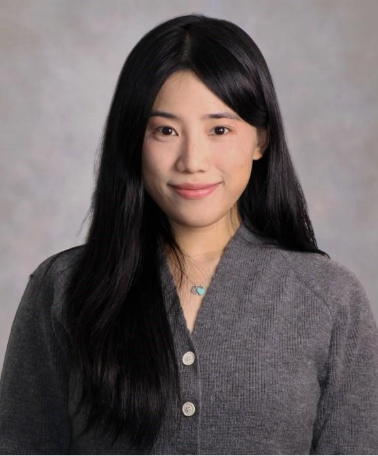
Chengyun Tang, MD
Vascular calcification in cerebrovascular pathology of the globus pallidus
Kuldeep’s research focuses on uncovering novel genetic drivers and molecular mechanisms underlying vascular calcification and atherosclerosis. His pilot project integrates multi-omics datasets from human vascular smooth muscle cells with GWAS, eQTL, and single-cell RNA-seq data from patients with coronary artery disease (CAD) and peripheral artery disease (PAD) to identify new therapeutic targets for vascular calcification.
By combining multi-omics analyses, mass spectrometry–based proteomics, NMR-based extracellular matrix (ECM) remodeling, and in vitro/in vivo mechanistic approaches, Kuldeep aims to identify and validate novel genetic targets that regulate vascular calcification.
In collaboration with Dr. Clint Miller (University of Virginia, USA) and Dr. Melinda Duer (University of Cambridge, UK), this research seeks to reveal novel therapeutic targets for vascular calcification and advance our understanding of cardiovascular disease mechanisms.
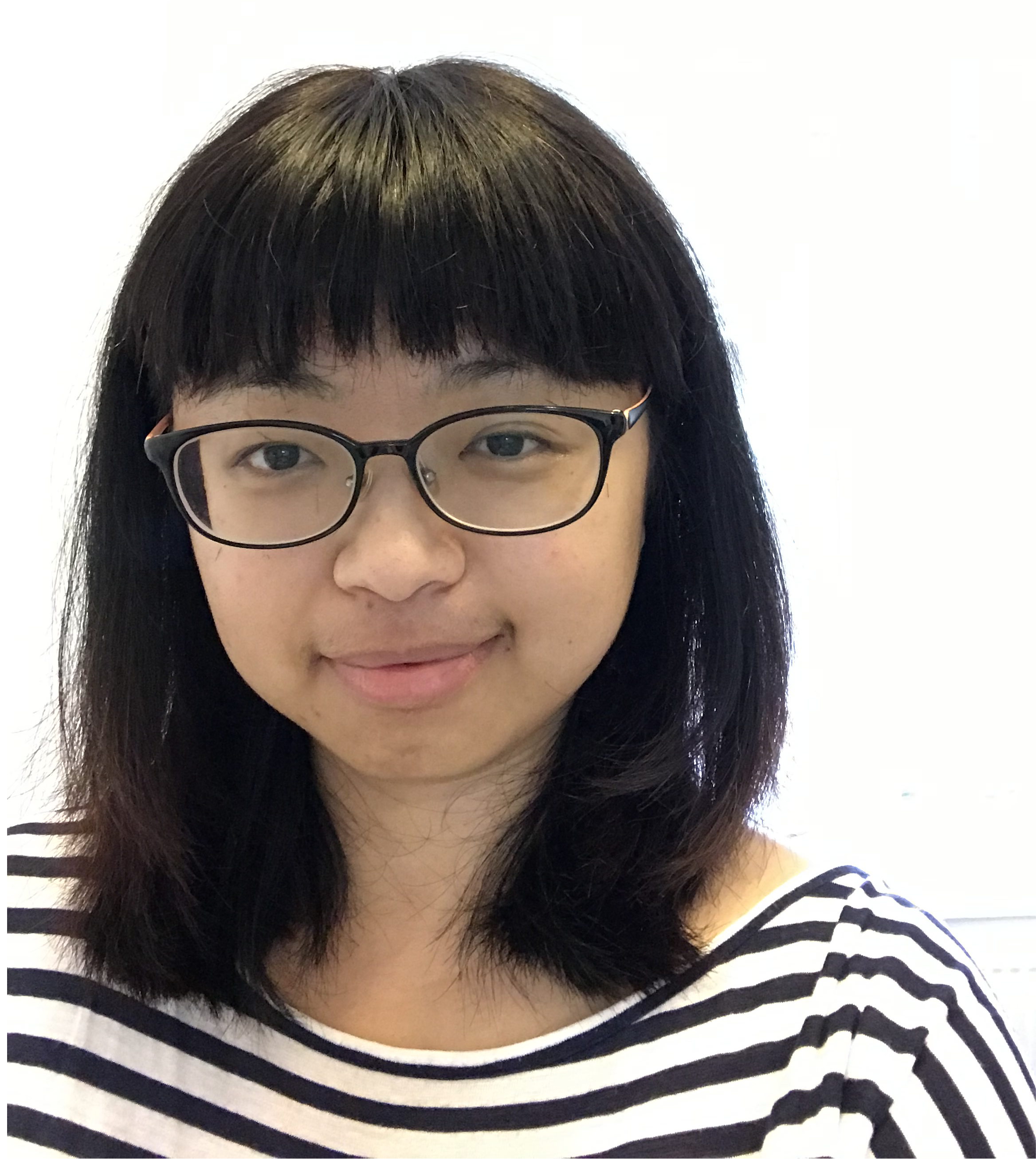
Meng-Ying Wu began her journey in science with an undergraduate degree in Nutrition Science in Taiwan, where she also trained as a nutritionist. Her curiosity for research took off during her master’s studies, sparking a passion for molecular biology and epigenetics. In 2019, she completed her PhD at the University of Dundee, exploring chromatin remodeling in cancer. Since 2020, she’s been at King’s College London in Professor Cathy Shanahan’s lab, uncovering how epigenetics shapes vascular aging and calcification. Meng-Ying thrives on learning and is excited to contribute to discoveries that make a difference in science and health.
Research Proposal Summary:
The overall objective of this pilot project is to elucidate the epigenetic mechanisms governing vascular calcification and to identify chromatin-bound interactors that regulate vascular smooth muscle cell (VSMC) phenotypic switching. Employing a multi-omics, stage-specific approach, we will delineate how chromatin remodeling and reader proteins orchestrate VSMC fate transitions. This work aims to define key epigenetic regulators underlying vascular calcification and to uncover novel therapeutic targets for cardiovascular disease.