Tackling Vascular Calcification: A New Frontier in Cardiovascular Health
What is Vascular Calcification?
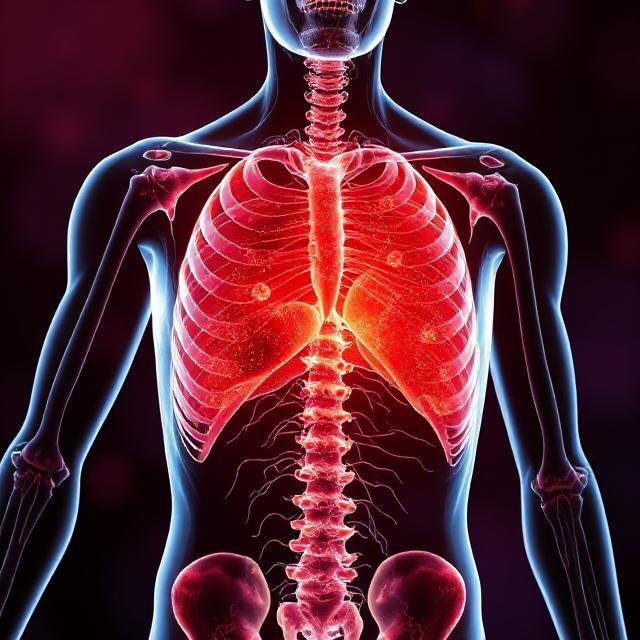
Vascular calcification is a serious and growing health problem around the world. It happens when calcium builds up in the blood vessels, making them stiff and less flexible.
This can lead to various heart and blood vessel diseases, including:
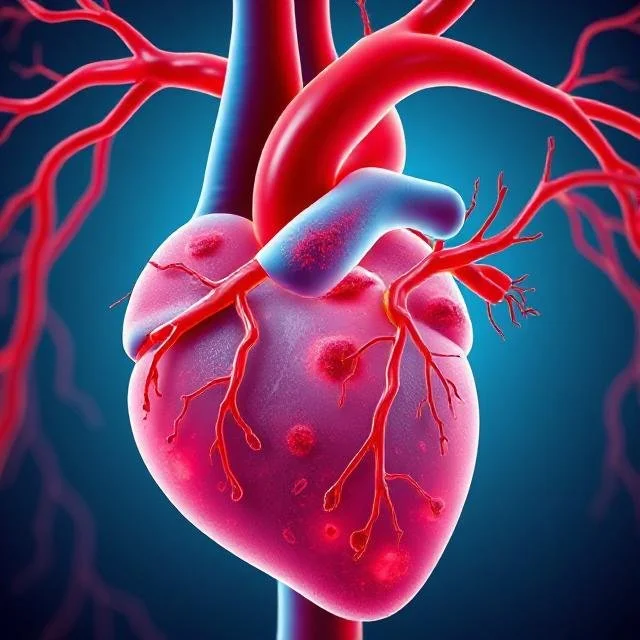
Atherosclerosis (clogged arteries)
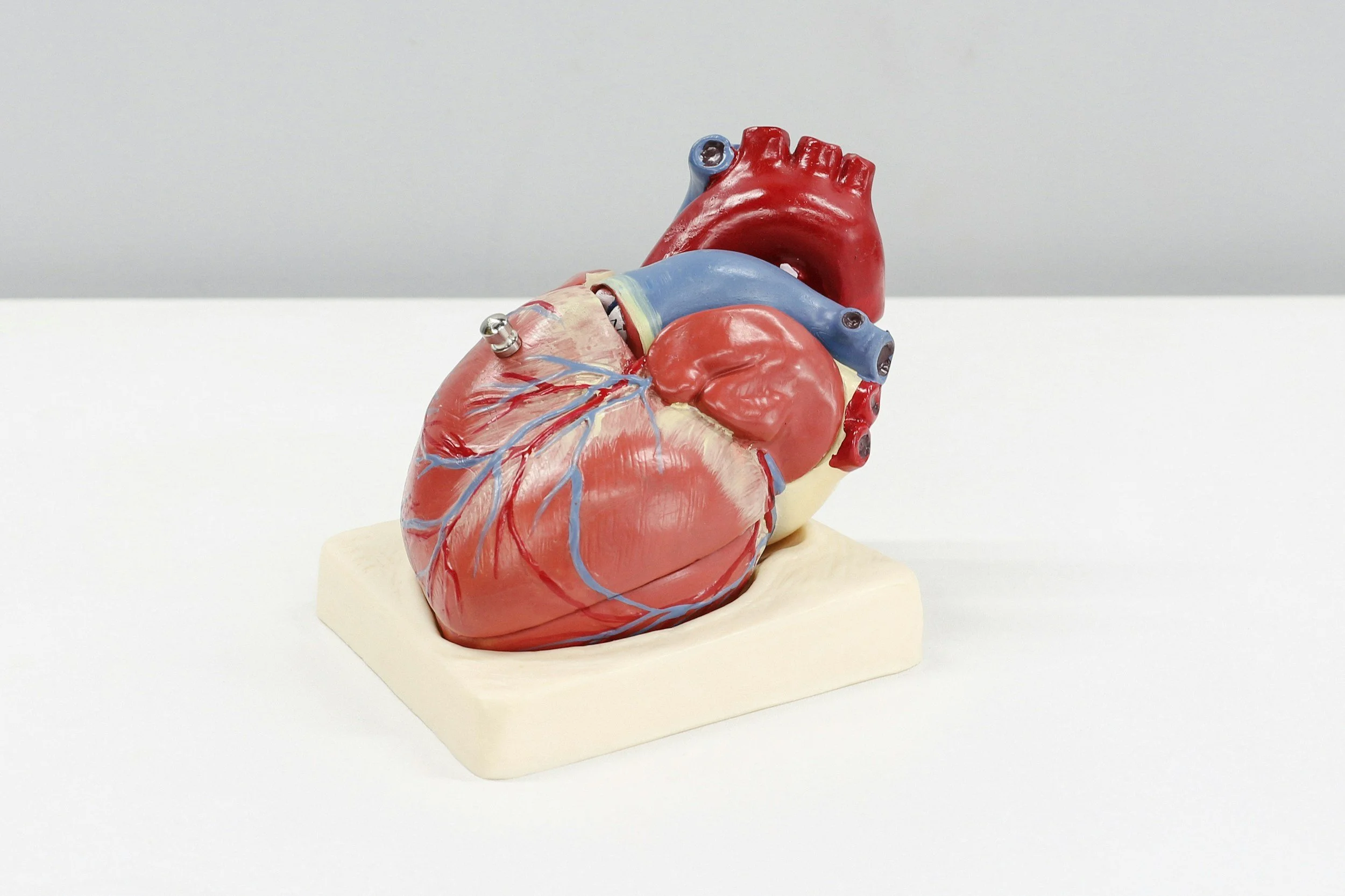
High blood pressure and heart strain
Rare but severe conditions like calciphylaxis
Why is it Becoming More Common?
Two major reasons:
An aging global population
Increasing cases of diabetes and chronic kidney disease
Our Approach: Uniting Science to Solve a Complex Problem
We’re focusing on three key questions:
Which types of VSMCs are responsible for calcification in different diseases?
What new genes or molecules can we target to prevent or reverse calcification?
How does aging - both in cells and in the surrounding tissues - affect this process?
What We’re Doing:
Using advanced genetic and multi-omic tools to identify new targets
Studying the differences between VSMCs in healthy vs. calcified tissue
Investigating how the extracellular matrix (ECM)—the structural “scaffolding” around cells—changes during disease
Applying chemistry and proteomics to understand how these changes promote calcification
Exploring AI-driven therapies for both rare and common vascular diseases